Wave guide
HTs Mentawai Surf Trip: Planning for Lance’s Right
In this guide (9 sections)
An HTs Mentawai surf trip centres on Lance’s Right, the hollow right-hander at Katiet on south Sipora. It works best on south to southwest swell of roughly four to eight feet, ideally on mid to high tide, and is an advanced wave over shallow reef. Most surfers stay at a nearby land camp or visit by charter between April and October.
HT’s, short for Hollow Trees and officially known as Lance’s Right, is one of the most photographed waves in Indonesia. It is also one of the least forgiving. An HTs Mentawai surf trip is worth planning around tide, swell and your own level rather than around a calendar alone, because a few hours can be the difference between perfect barrels and a dry inside reef. This page explains how the wave behaves, when to go, where to stay and what it typically costs.
We are an independent planning guide. We do not run the camps or boats mentioned here; we help you compare options and connect with operators.
Understanding Lance’s Right
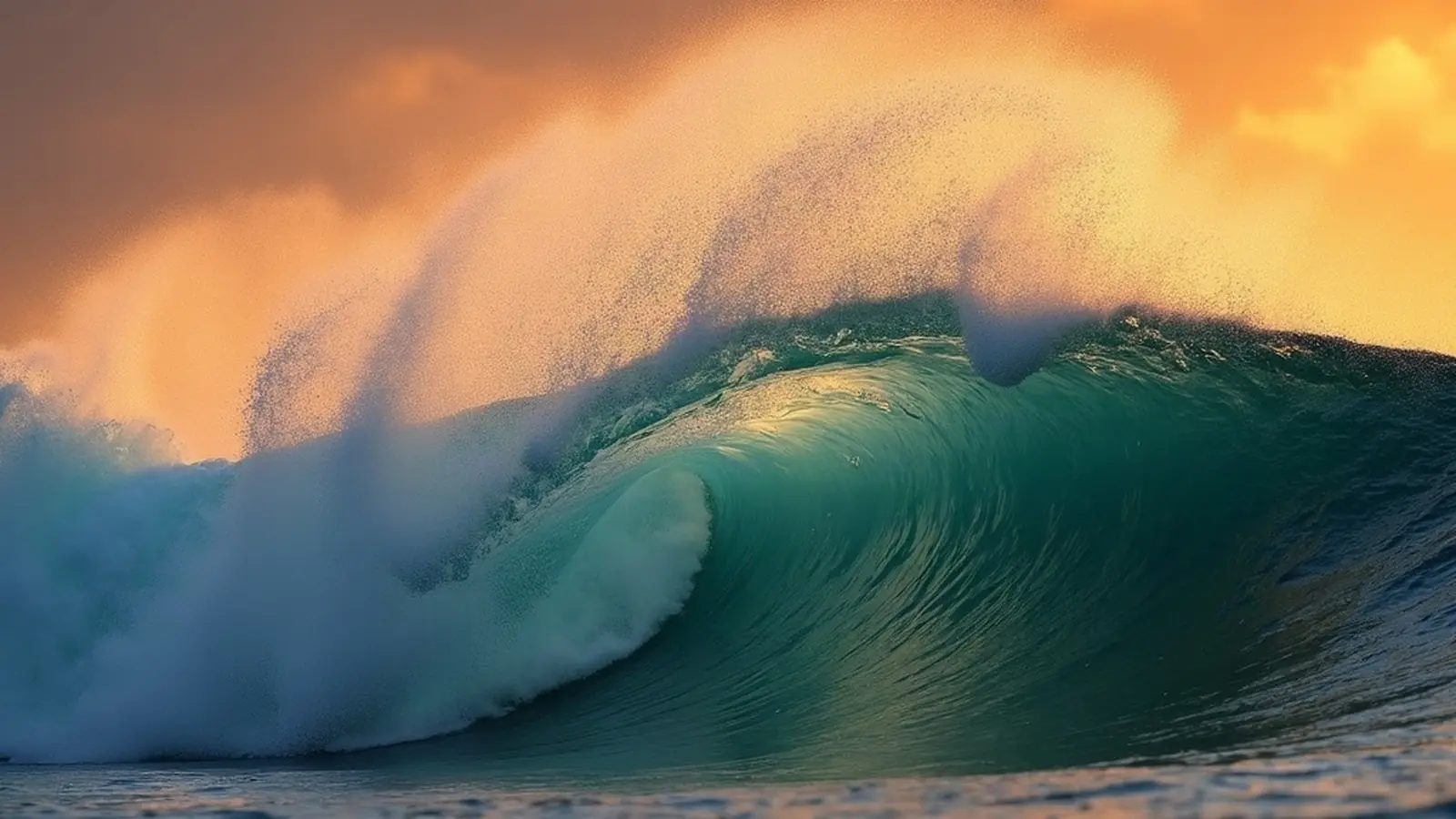
The wave breaks off Katiet on the southern part of Sipora. It is a fast right-hand reef break that stands up quickly on a shallow coral shelf and throws a hollow, often makeable barrel down the line.
Swell and tide
South to southwest groundswell wrapping around the south of Sipora is the classic combination. A commonly cited ideal range is four to eight feet, and the wave can handle bigger swells in experienced hands. Mid to high tide, especially on the push, gives more water over the reef. As the tide drops, the inside becomes markedly more dangerous.
The Surgeon’s Table
The inside section of HT’s is known as the Surgeon’s Table, a name that tells you how shallow it is. Many reef cuts at this wave happen here, often when a surfer falls late in the barrel or tries to paddle in over the reef at low tide. Learn the safe entry and exit channel on your first day and ask your guide where people get caught out.
Who should surf it
Lance’s Right is an advanced to expert wave. Confident intermediates sometimes manage small, clean days with good guidance, but the fast take-off and limited shoulder leave little margin for error. Beginners should not surf it. If you are still building your barrel skills, base yourself nearby and split time with Lance’s Left and other more forgiving reefs.
When to plan an HTs surf trip
| Period | What to expect at HT’s | Who it suits |
|---|---|---|
| April to May | Swell building, regular head-high to overhead days | Strong intermediates and advanced surfers wanting good size with slightly lower demand |
| June to August | Most consistent and largest swells, southeast trades | Advanced surfers chasing the wave at its best; busiest line-ups |
| September to October | Still consistent, swells gradually easing | Excellent all-round window for experienced surfers |
| November to March | Smaller, less consistent, wetter | Occasional good swells; better for surfers who want quieter waters and a mix of breaks |
Most guides recommend May to September as the most reliable window for size, with the broader season from April to October. Our best surf season guide covers the timing across the islands.
Ways to surf HT’s
Land-based camp at Katiet
Several camps and guesthouses sit close to the wave around Katiet, including accommodation that takes its name from the break. Staying on land lets you watch the reef, time your session to the tide and take short boat or paddle transfers. It also gives you easy access to Lance’s Left on days when the right is too big or the wind is wrong.
Charter boat
Many central and southern charter itineraries call in at HT’s. A boat lets you follow the swell to other regions if the forecast changes. The downside is that you share the line-up with land-based surfers and other boats, and the time you spend at Lance’s Right depends on the skipper’s plan.
Tua Pejat base with day trips
Budget surfers sometimes stay in Tua Pejat and travel south by boat. This works, but the boat ride adds hours and fuel cost, and it is harder to hit the best tide. For a wave as tide-sensitive as HT’s, being close by is usually worth paying for.
Typical costs for an HTs Mentawai surf trip
Prices vary by operator, room type, season and what is included. As a budgeting guide based on typical 2025 to 2026 rates:
- Land-based surf camps near Katiet: commonly around US$250 to US$600 per person per night for packages with meals and boat transfers.
- Simpler guesthouse stays: from around US$50 to US$150 per person per night, with boats and guiding often charged separately.
- Shared charters: around US$170 to US$500 per person per night, usually sold as 10 to 12 day trips.
Add flights to Padang, transfers, travel insurance with medical evacuation cover, and the regional surf fee, reported at IDR 2,000,000 per foreign surfer for up to 15 days from 2024. Confirm the latest figure before you travel.
Preparing for HT’s
- Boards: bring at least one step-up or slightly longer board with extra volume for the fast take-off, plus your usual shortboard. Pack spare fins and a ding repair kit.
- Reef protection: a helmet is worth considering on bigger days, and reef booties help when walking over coral.
- First aid: reef cuts infect quickly in the tropics. Clean every cut thoroughly, carry antiseptic and dressings, and keep wounds covered.
- Fitness: paddle fitness matters for positioning and for getting out of the way of sets.
Our packing list for Mentawai surfing covers gear in more detail.
How to choose your HTs trip
- Match the season to your level: main season for experienced barrel riders, shoulder months for strong intermediates.
- Stay close if HT’s is the priority; choose a charter if variety matters more.
- Ask each operator about guiding, how they handle injuries, and how far they are from medical help in Tua Pejat or Padang.
- Check which alternative waves are within easy reach for days when HT’s is not working.
Quick facts
- Wave: Lance’s Right, also called HT’s or Hollow Trees
- Location: Katiet, south Sipora
- Type: fast, hollow right-hand reef break
- Ideal swell: south to southwest, about four to eight feet
- Tide: mid to high preferred; inside shallows dangerously on low tide
- Level: advanced to expert
- Main season: April to October, most reliable May to September
Frequently asked questions
What does HT’s stand for?
HT’s is short for Hollow Trees, the original name given to Lance’s Right at Katiet on Sipora. Both names refer to the same wave.
Can intermediate surfers ride HT’s?
Some confident intermediates surf it on small, clean days with a guide, but it is generally an advanced wave. Plan backup sessions at more forgiving breaks such as Lance’s Left.
What is the best tide for Lance’s Right?
Mid to high tide is usually preferred, particularly on the incoming tide. Low tide exposes the shallow inside reef known as the Surgeon’s Table.
How do I get to HT’s?
Fly to Padang, then take the ferry to Tua Pejat and a local transfer south, or use a direct boat arranged by your camp. Charters reach it as part of their itinerary.
Is a helmet necessary at HT’s?
It is not mandatory, but many surfers wear one on bigger days because the reef is shallow and the wave breaks fast. It is a sensible precaution for anyone new to the wave.
Plan your HTs Mentawai surf trip
Tell us your dates and surfing level and we will help you compare camps near Katiet with charter options, then put you in touch with suitable operators. For a wider view of the island, see our guide to planning a Sipora island surf trip, or explore more Mentawai adventure ideas. Message us on WhatsApp or email bd@juaraholding.com.